What I’m thinking about the year (2026) ahead – a “writing as thinking” post
I normally start my writing with a clear topic/thesis of where the article is going to land. Not this one. Writing, to me, is also a vehicle of thinking facilitation; if I cannot clearly put it on paper, I don’t know what the answers are.
And right now, I don’t know what the answers are for my 2026 strategy, and I hope I will manage to land it somewhere as I write this post.
Learning
The first thing off the top of my head
Is to learn how to better use AI products. I’m not technical (or maybe I shouldn’t keep saying that for the sake of self-fulfilling prophesy), so I’m not the far end of the value chain participation spectrum – aka. I’m just a user. However, I do use ChatGPT on a daily basis for the better part of 2025 for work/ personal projects, and I 100% saw and believe in the level of difference it makes to my professional and personal life. If you think about it, IRL not many skills will have this level of leverage and impact where 100 unit of effort (input) can make more than 100 unit of result (output). So doubling down on keeping up with AI products is the way to go.
As a ChatGPT free tier user I naturally gravitate towards upgrading to a Plus membership, but unfortunately it is not available in my region. So I settled for Google AI Pro by clicking the “Upgrade” button on Gemini, and I’m starting to at least use Gemini together with ChatGPT. Google AI Pro does include many cool products, sometimes experimental, on top of the Gemini chat app, which is something I’ve always wanted to learn more about. But definitely will take some time to get used to though.
Some other reflections on understanding AI
AI means many different things to different people. Since I embarked on this journey of creation/building, I believe AI has managed to lower the barrier by magnitudes. If we are solely talking digital building, it can mean:
- Photos/ images
- Code
- Video
- Music
- Writing (or storytelling)
- Data analysis
- More
Suddenly AI becomes this fundamental skill that can be applied to any of the field above, where traditionally one would have to go through years of proper training before seeing any substantial result.
But what is this skill of “AI”?
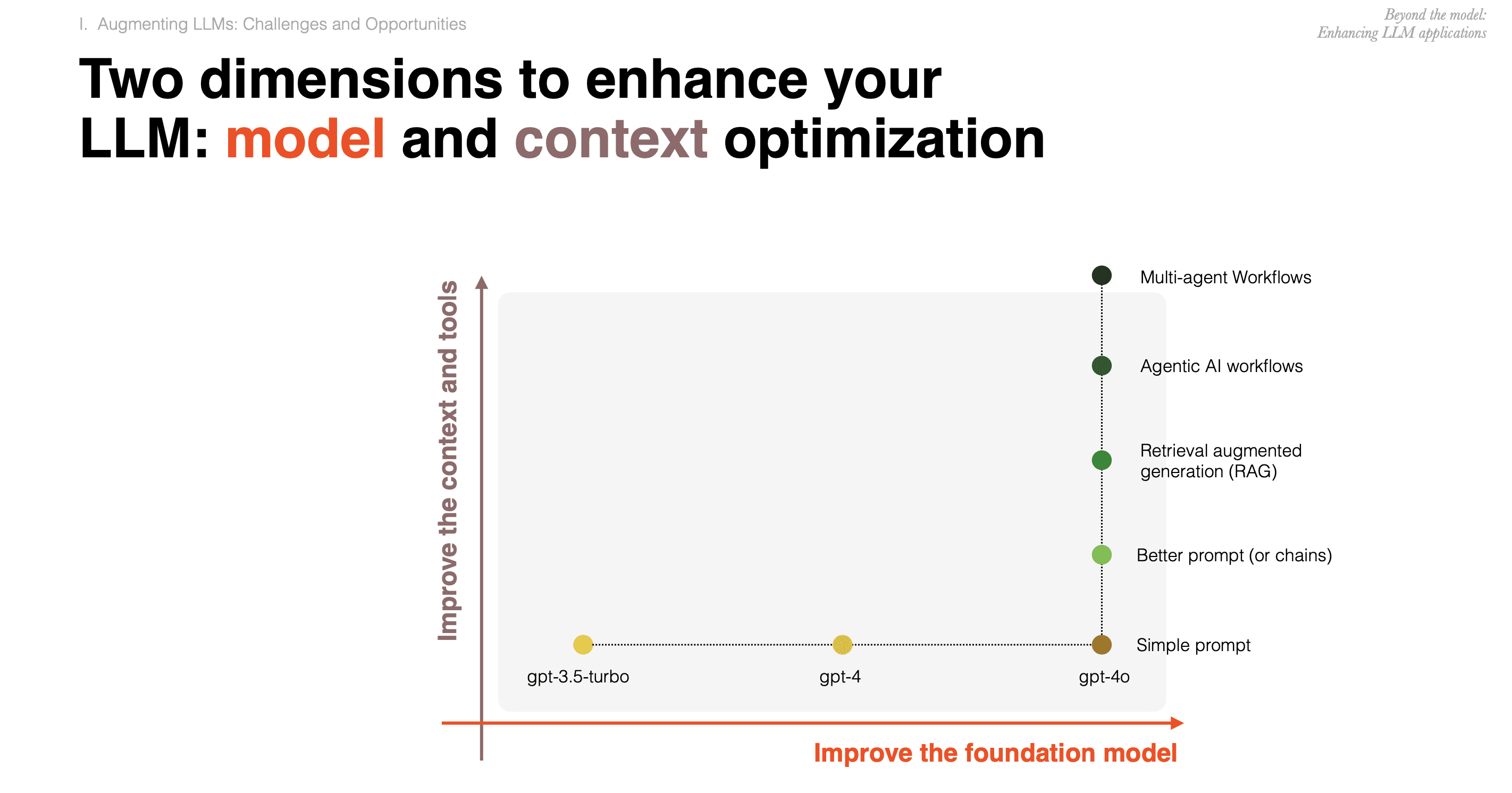
To me, and I assume to many other people too, AI is just the same as LLM (which apparently is not but I just don’t know the difference so I just use them interchangeably). There are many different models, newer and more powerful models as time goes by. But even with the same model, there are different skills such as few prompts, chain prompts, RAG, and so on that can greatly improve the results one gets. Below is a screenshot of a slide from Stanford Online CS230 (Lecture 8).
With the fast development of AI, should I still learn how to code?
I definitely had this doubt. With the recent news of programmers getting laid off and new CS graduates having a hard time getting jobs, this doubt is also on the minds of many.
Dr. Andrew Ng, in CS230’s Lecture 1, gave his opinion – which is a resounding YES. Dr. Ng laid out four layers of technology:
- Gen AI
- Deep Learning
- Machine Learning
- CS Fundamentals
Where each technology sits on top of another. CS fundamentals just sit at the very bottom. The tech on top won’t exist without those below it.
In addition, Dr. Ng also mentioned that as one builds AI applications with the help of external LLMs, the size of the bills one receives will grow exponentially as more users get on the application’s platform. Understanding the techniques of deep learning (as well as machine learning and CS fundamentals) will help greatly reduce the bills.
For me personally, all four layers are black boxes. However, I do believe that one should still learn how to code from my personal experience. Since English is my second language, many people allege that LLMs might render learning languages a waste of time and energy. I 100% disagrees with this because I don’t just use LLMs as tools to translate; I partner with them to think, read, and brainstorm ideas and work with them for execution. More importantly, it is up to me for the final judgment of whether or not the LLM should keep iterating; if I don’t speak the language, there is no way I can decide. The same thing goes with knowing how to code – you have to be the final judge.
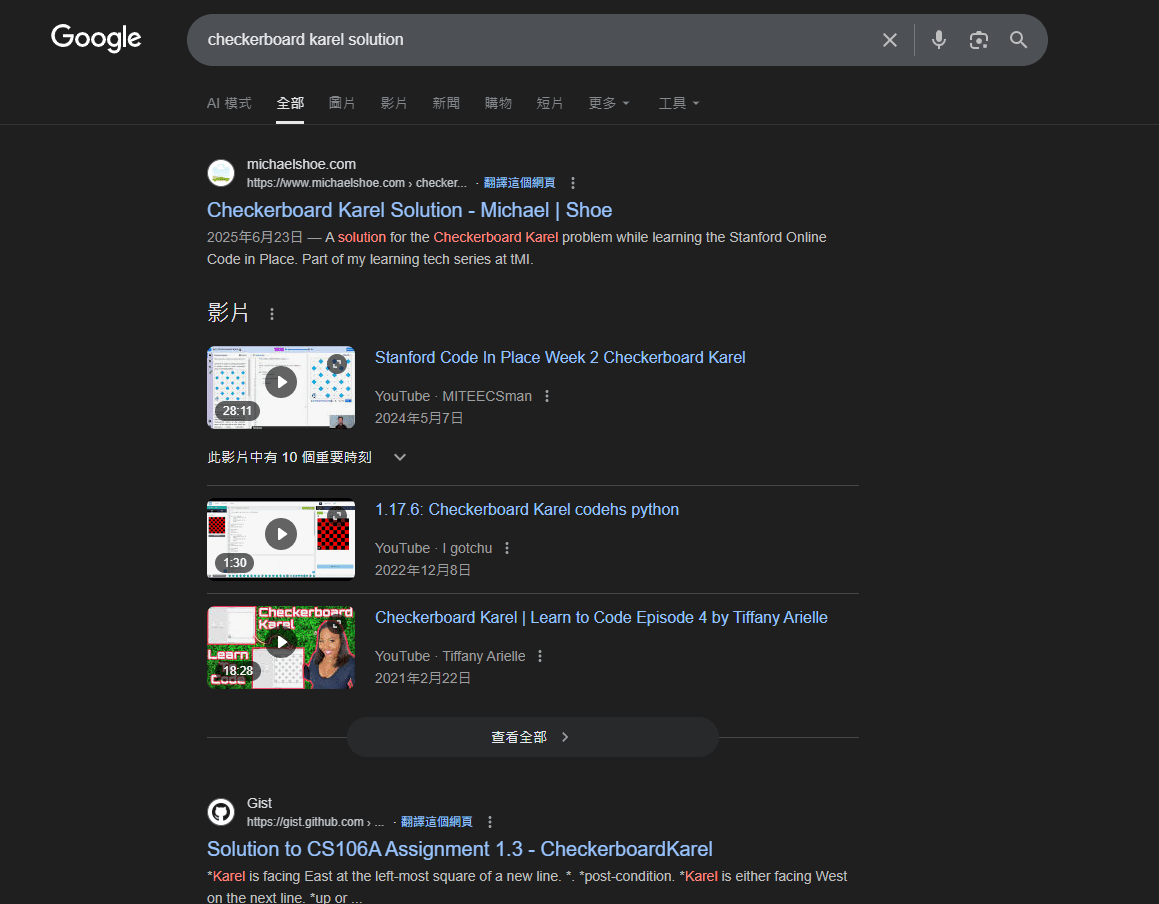
I’ve had many failed attempts at learning how to code in my life. As a matter of fact, I still have an unfinished courses on web development. Somehow I just cannot seem to get the gist – there is really no “click”. I’m watching Stanford Online’s CS105 which is a basic computer knowledge course designed for non technical people, and so far it is quite straightforward.
Investing
My thesis to investing has been pretty passive. I don’t hold a lot of assets, most of which are S&P 500. I also hold a small amount of European ETF, some bond ETF, as well as Gold ETF.
Because of my education and work experience, I have some very specific knowledge on the sport and entertainment industry. Recently I listened/watched the My First Million Podcast where Shaan talked to Chris Camillo on his investing strategy. It left an impression on me, because what he mentioned as “observation based investing technique” is really based on specific knowledge about a company and industry.
In order to leverage my knowledge for investing, I need to further obtain at least some investment techniques, and some basic knowledge of finance and how the financial market works. I’ve tried to take Aswath Damodaran’s Valuation Course, and may pick it up again next year. This will help me with both investing and content creation.
In 2026, my investment will likely still be dominated by passive investing, i.e. equity and bond ETFs. I do want to allocate a portion of asset for active investing, just for the sake of trying and learning. Because of my professional background, I might look at companies such as TKO, Disney, or Netflix, which are in the entertainment and media business.
Building
Building side projects changes who I am. I started doing so in early 2024, and has been writing, creating, and building stuff online ever since.
For one thing, I used to be a believer in traditional careers until about 2024, in the sense that I will improve the wellbeing of me and my family if I keep contributing in the workplace. I’ve been a beneficiary of the traditional careers, and I was able to support myself with a modern lifestyle. During this time, I tied my identity to being a manager, and I don’t really have any “hard skills” such as coding, wood work, the ability to fix mechanics, etc. I don’t value skills like these, but rather the vague skills of “management” – i.e. it is MANAGEMENT that creates and improves value. However, I have taken growth for granted, and confused it with my own capability.
Right now, although I still have a day job, my priority has shifted. Instead of trying to increase my chance of a better job, a promotion, or exposure in the industry by attending conferences, I just treat job as – a JOB. Nothing more. My identity is not tied to my position. My job just provides to a means for me to support my family and a platform for me to build without getting stressed about making money right away.
This whole identity shift also manifests in my info input (or it could be the other way around too). While I used to read and watch a lot the great CEOs or management types of books, I now try to know as much about builders, entrepreneurs, and creators, etc. Then everything trickles down to my daily activities as a result.
Building is hard; what’s even harder is building something people want, aka. willing to pay for. I still am trying and to be honest, I don’t know if I have something people are willing to pay for.
Other than the things I have tried building and writing (yes, I put writing and creating online in the same bucket as building”, the first idea off the top of my head RIGHT NOW is:
Financial Literacy for Children.
Why? Because that is my own itch. I have little ones at home, and I want them to be equipped with the right mentality from the start. I haven’t had such an environment growing up and only started to learn about it in my late 20s. Knowing how much I would have benefited from such knowledge if I had had it in my childhood, this is what I want for my children.
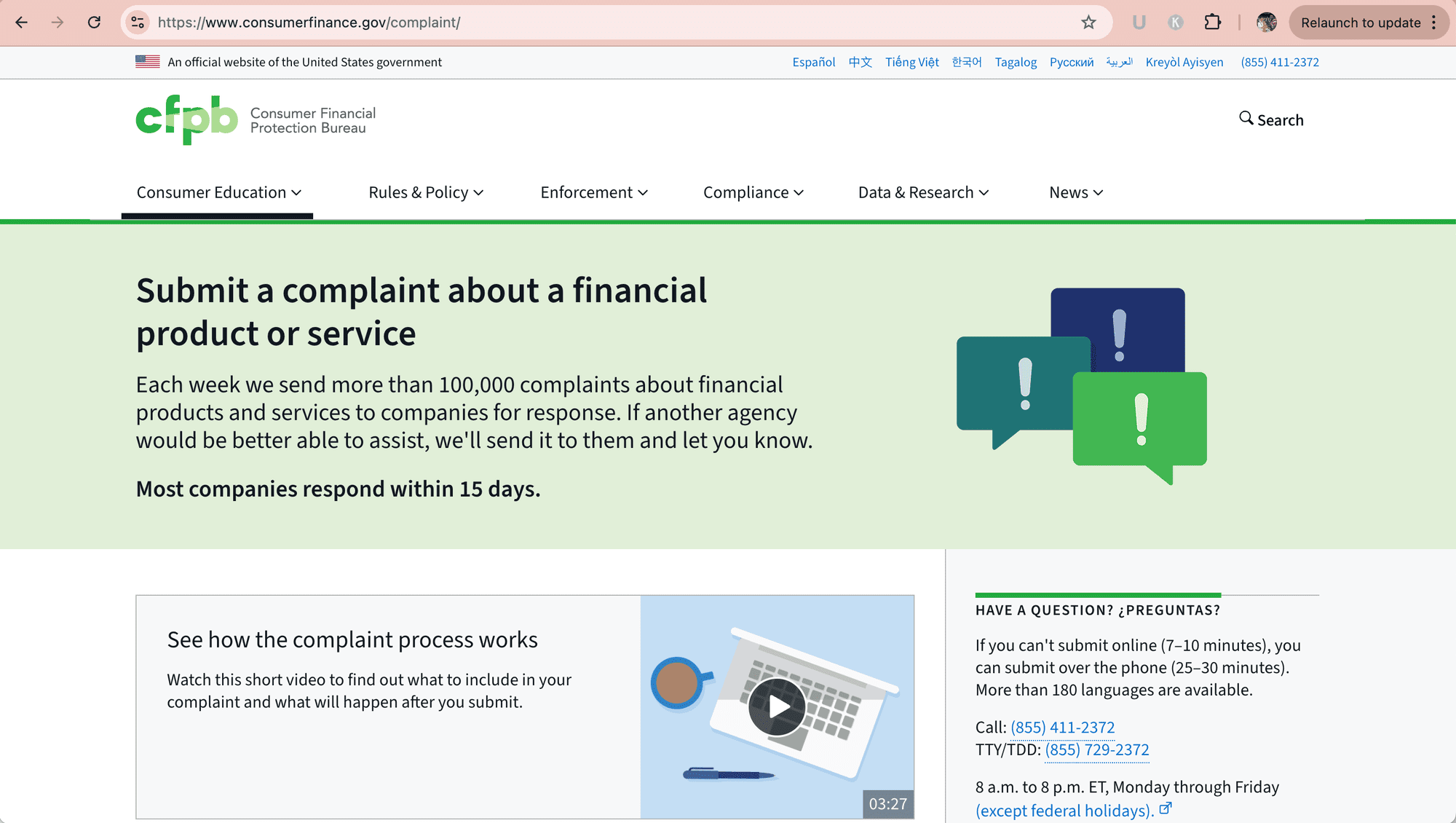
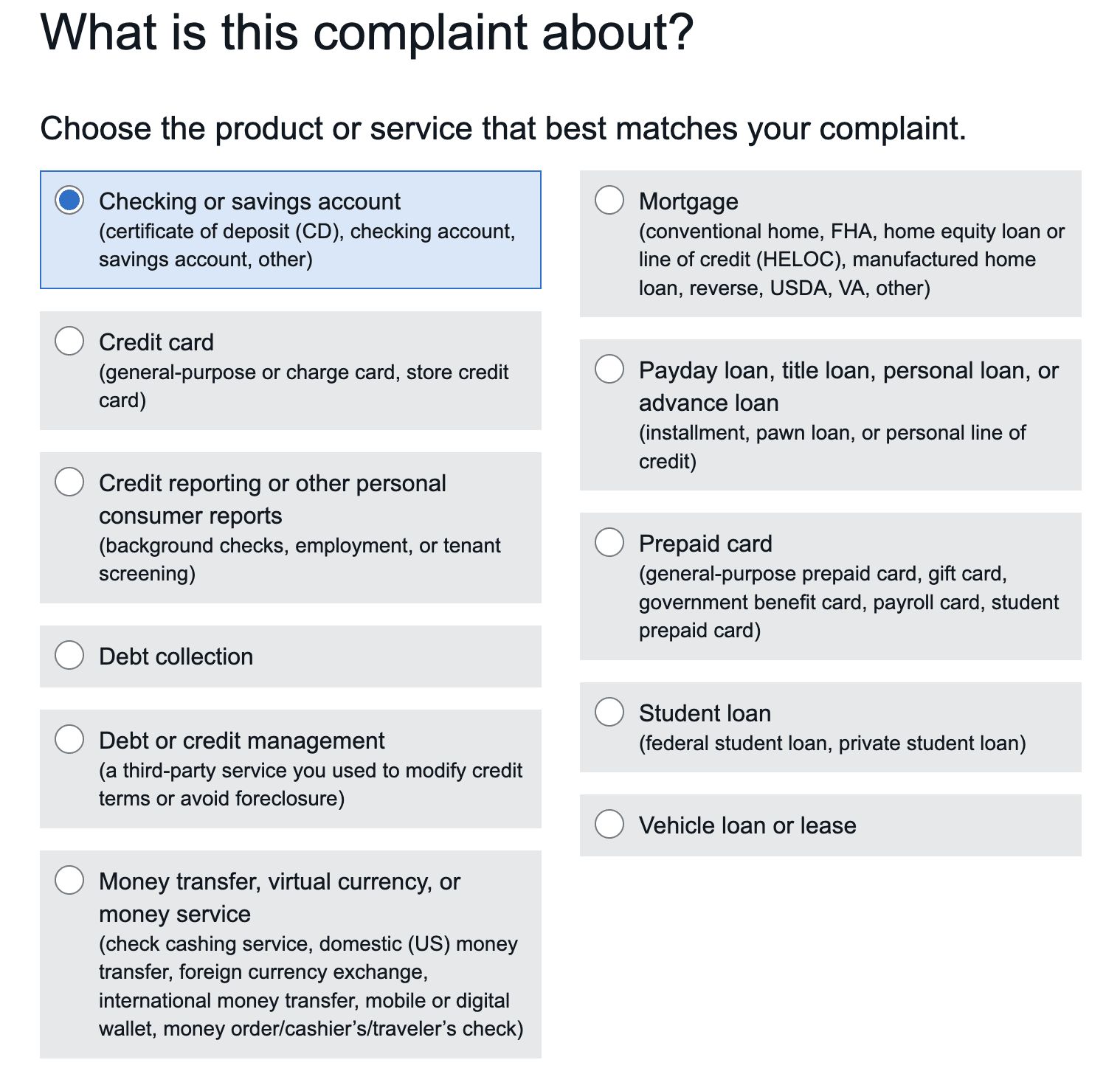
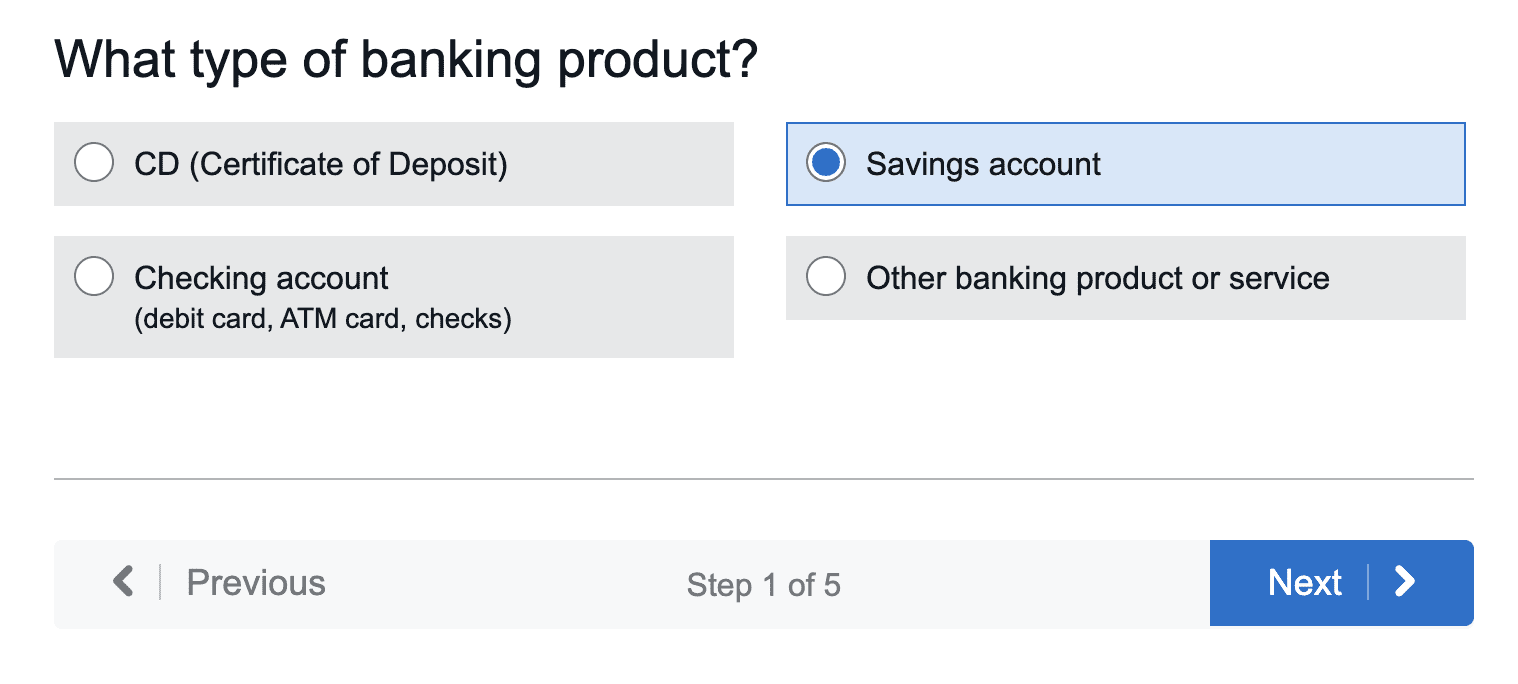
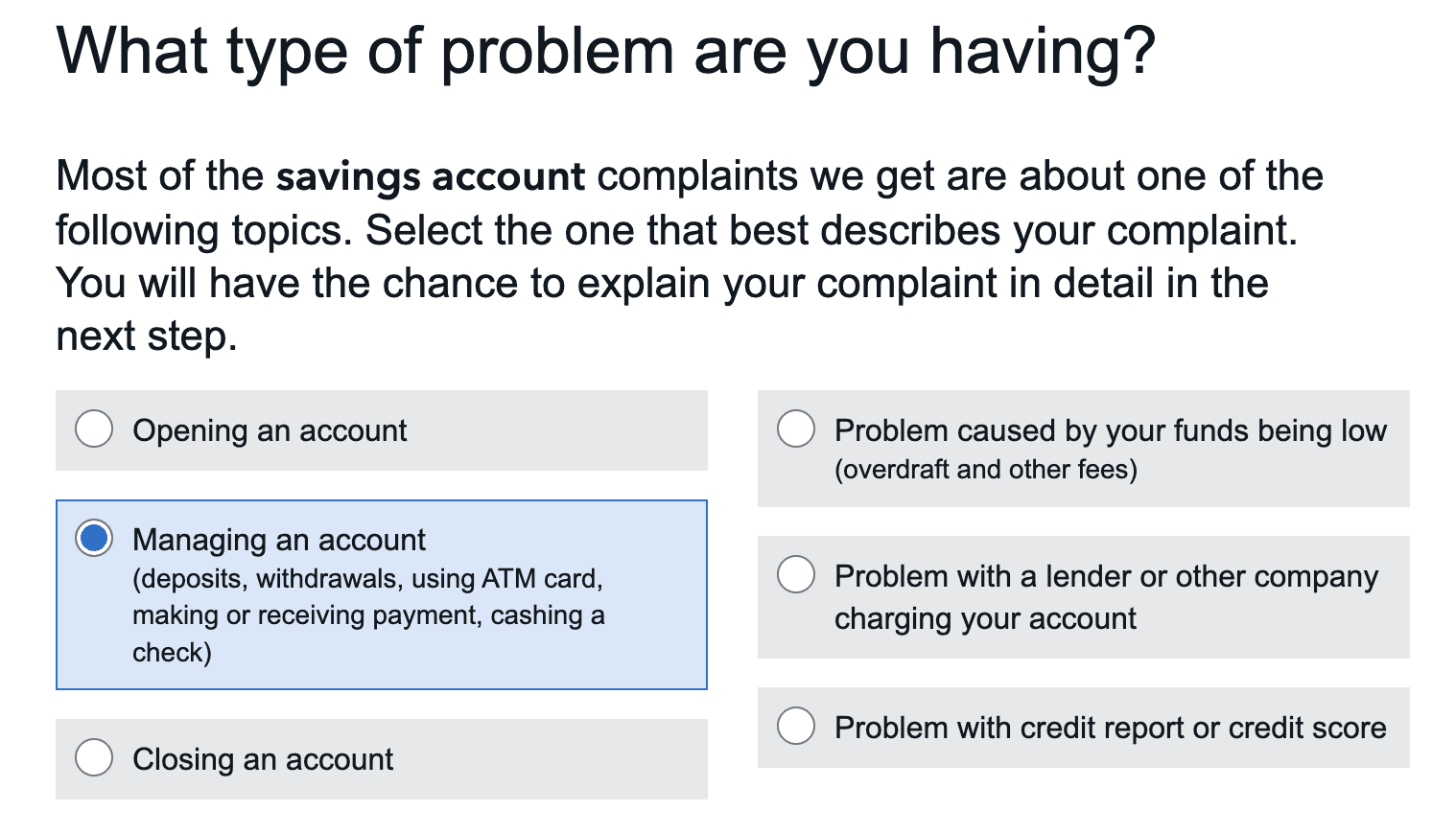
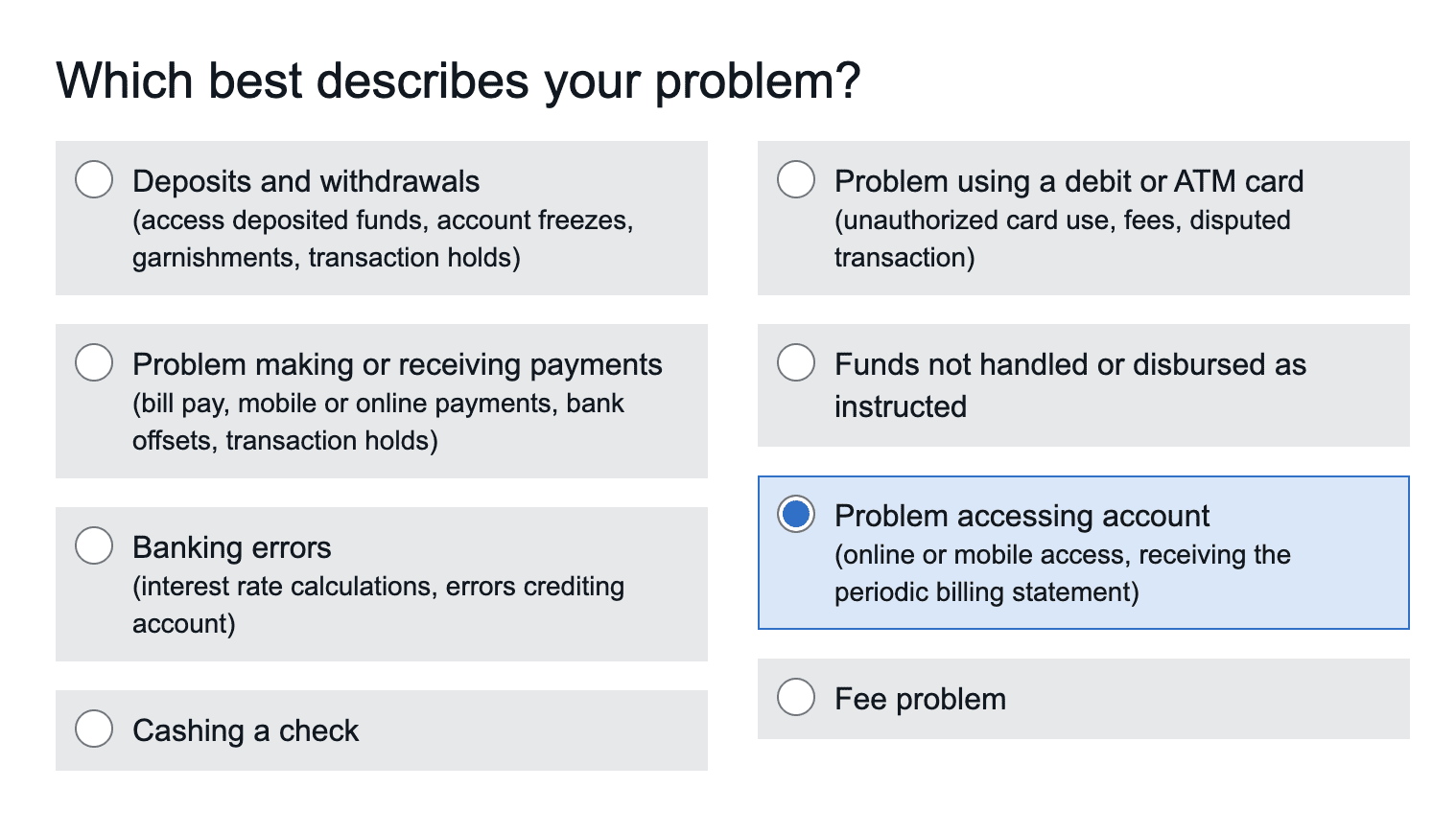
I have identified some great resources provided by organizations such as FDIC, CFPB, etc., but their stuff are just … too dry. Children will benefit from such great resources, IF ONLY they have the patience to read about them. That is the gap to be filled.
This is really just a preliminary thought on the problem – a problem that I have and someone else might as well. Other than that, I don’t know anything – what types of products might work the best to solve this problem, what types of distribution might work the best, etc. But at least that is a starting point for my 2026’s building journey.
My life’s thesis
Overall my life is about owning and preserving the value that I have created. I have ignored this for my whole life by emphasizing ONLY on climbing the career ladder, looking for better jobs, etc. To me (now), this is not getting one’s priorities straight. So now, whatever I do, I ask myself the question: am I adding value or creating something whose value might increase with time? And the answer must be a resounding YES before I wholeheartedly put in efforts. Otherwise, I make do.
2026 Roadmap (aka. Task List)
I started writing this post with the hope that I will identify some things to work on for 2026, and I can happily declare the goal is achieved. These are my 2026 task list items:
- Use Google AI Pro (Gemini, and other stuff) to create – long term
- Also, use AI when I do anything
- Keep watching CS105 on Youtube – recent
- Aswath damodaran valuation course
- Test investing (valuing) in entertainment and media companies
- Not an investing endeavor only but investing/ learning/ writing
- Use the publicly available resources for financial literacy education of youngsters (FDIC, CFPB, etc.) to create contents and products, etc.
To one (of many more) productive and prosperous year ahead!
Cheers!